Choosing Your Openings · Part 1
Every Line Is Equal. So How Do You Choose?
Engines say almost everything works. The first thing I ask is whether I can explain the line to someone weaker than me.
Everyone says it these days: every line is equal. With computers, you can get away with almost anything, and in a narrow sense that's true. Choosing an opening is no longer about copying the engine's top line.
So what actually matters when you choose a setup? I've faced this question again and again while making courses for Chessable and Modern Chess. The most important step is choosing which lines to recommend. Once that is done, preparing them becomes much easier. Here is the first tip.
Point one: you should be able to tell a story
People say you learn better when you teach your friends. It works even better when the student is weaker than you, because you have to simplify, and simplifying forces you to find what really matters. Openings pass the same test.
If you can't explain a line in a few sentences, you probably won't find your way when the position gets complicated.
Example 1: the Moscow Sicilian
This is the first chapter of my Chessable course Play 1.e4 with Purpose. Step through the line below. My notes are on each move.
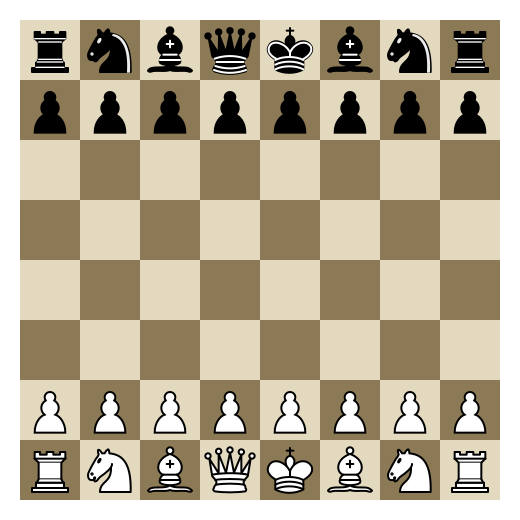
Against 3...Nd7 I tried quite a few setups before settling on 4.d4 cxd4 5.Nxd4, which I started analysing in 2022. It is not the most popular way to play, but once I looked into it, the plan was simple: drop the bishop back and get the pawn to c4. That gives a Maroczy structure in which Black's knight on d7 is misplaced.
With that plan in my head, choosing the lines was easy: everything either helps c4 or stops Black from preventing it. It also tells you how to play Black. Don't let White get c4 easily.
Opponents who prepare only with the computer learn the moves, not the plan, so once I left their lines they had nothing to hold on to.
Example 2: the Catalan with Black
My newest course, A Complete Repertoire Against Everything but 1.e4, was released on 9 October. Against the Catalan I had many options, and again I wanted one that is easy to explain.
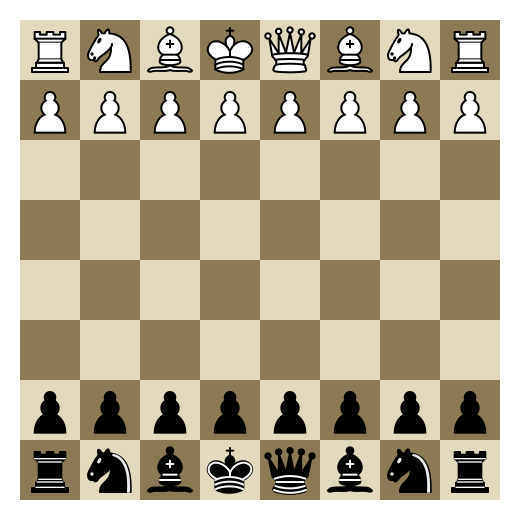
I chose 6...a5 and 7...Nc6. It is very rare, but the idea fits in one sentence: threaten ...Nb4, hitting the queen on c2, to provoke 8.a3, then fix White's queenside with ...a4. Because the same plan works against many of White's setups, there is far less to memorise.
Why it matters
Once you can formulate a clear logic for a position, it becomes a compass through all the complications. It also gives you a big edge over opponents who only know the lines. You come back to the same structures again and again, and each game deepens your understanding.
Coming in part two
Try to make lesser-played moves work first, even if the engine isn't too happy with them at the start.